Pergola vs Pavilion vs Gazebo: Which Backyard Structure Fits Your Texas Yard
Quick Answer: A pergola has an open slatted roof that filters sun and keeps the space Saturday afternoon in Georgetown, and the whole family is crowded onto a patio that has no cover. Someone is dragging a table toward the only strip of shade along the fence. Someone else is holding a hand over a plate of food to keep the sun off it. A cloud builds over the west side of the yard, and the debate starts about whether to carry everything inside before the first drops land.
That scene is why people start searching for a backyard structure. The next question arrives quickly: pergola, pavilion, or gazebo? The three get mixed up in conversation, in catalogs, and even among builders, yet they behave very differently once they are standing in your yard. One filters light. One shuts out rain. One becomes a small destination at the edge of the lawn.
We design and build custom outdoor structures across Georgetown, Austin, Round Rock, Cedar Park, Leander, and Pflugerville, and this comparison comes up on a large share of our first walkthroughs. Here is how we explain it, in plain language, so you can match the structure to the way your family lives outside.
What Each Structure Actually Is
Before comparing them, it helps to pin down the terms, because the names are used loosely.
Pergola
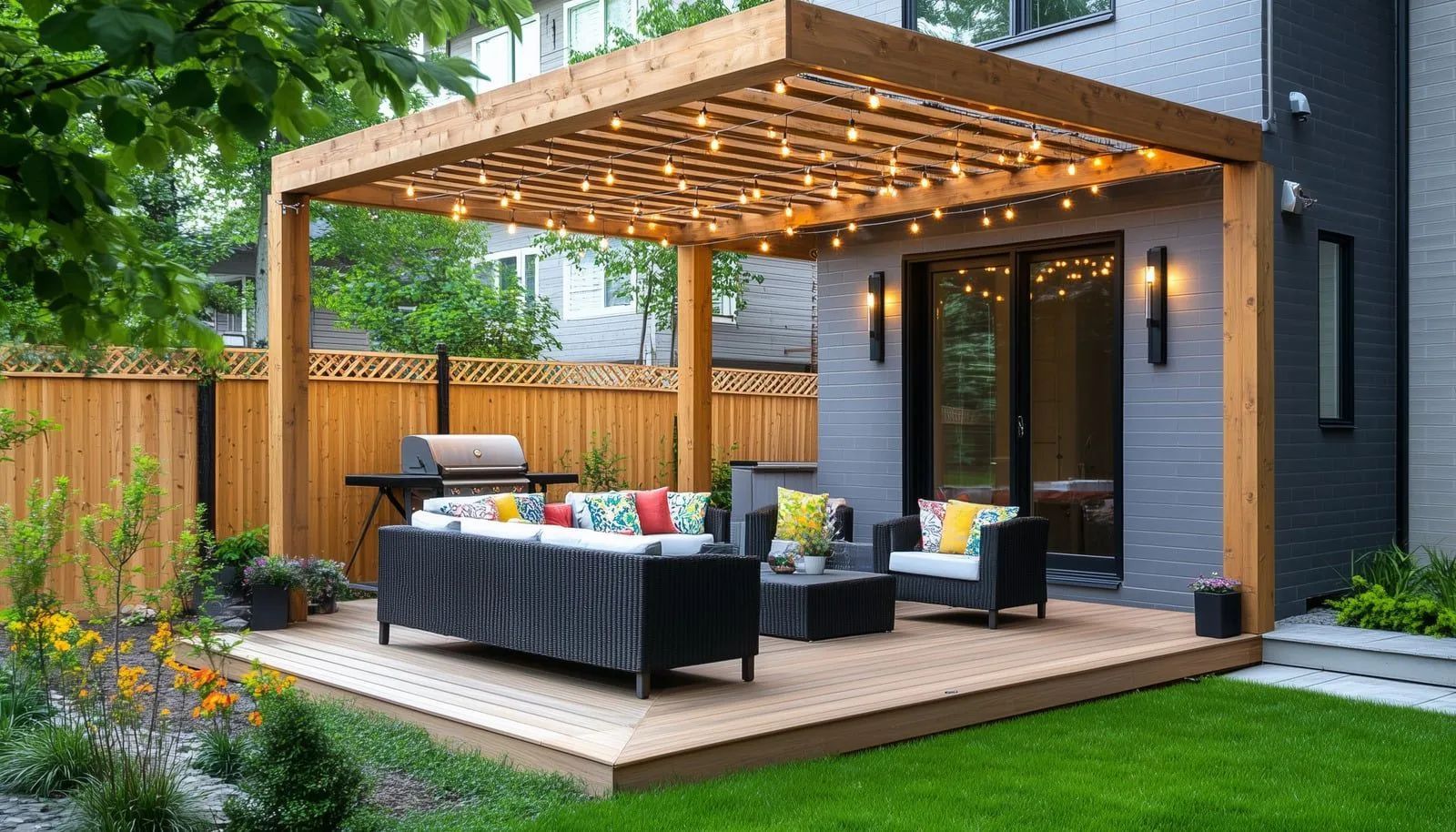
A pergola is an open frame. Posts hold up beams, and the beams hold rafters or slats spaced apart so light and air pass through. It has no solid roof. Pergolas can attach to the back of a house or stand alone, and they are often built over a patio or a deck.
Pavilion
A pavilion has a solid roof, usually pitched or gabled, held up by posts with open sides. It looks and feels like a small roofed building without walls. Because the roof is solid, it blocks sun and sheds rain.
Gazebo
A gazebo is a freestanding roofed structure, traditionally with a rounded or multi sided footprint, a solid or shingled roof, and often railings, built in seating, or screens around the sides. It is meant to be a feature in its own right, something you walk out to.
Those are the working definitions, and real projects blur the lines. A pergola can get a solid or louvered cover. A pavilion can be dressed up with screens. A gazebo can be square. What matters is the performance: how much sun it filters, whether rain stays out, how enclosed it feels, and how it sits in the yard. We think in those terms, and so should you.
Shade and Sun in the Central Texas Summer
If sun is your main problem, start here, because the three structures handle it in different ways.
A pergola filters. The spaced rafters throw a pattern of light and shade across the floor, cutting the harshest direct exposure while keeping the area bright and open. How much shade you get depends on rafter spacing, the depth of the members, and whether you add a second layer, shade fabric, or climbing plants. Because the roof is open, hot air can rise and escape instead of settling under the cover.
A pavilion blocks. A solid roof delivers full shade for the hours the sun is overhead, and the underside stays dim and cool compared with the surrounding yard. For a space that has to work through the long, bright Texas afternoon, that is hard to beat. The tradeoff is that a solid roof can feel heavier and darker, and it holds some warmth underneath unless the design includes a high ceiling, a fan, or good airflow.
A gazebo also blocks, with a solid roof, but the smaller footprint and the enclosed edges can make it feel snug. In a hot stretch of summer that can be pleasant with a fan, or stuffy without one.
TIP: Watch your yard at the hour you plan to use the space most. A west facing patio used for evening dinners takes low, direct sun that a pergola alone may not stop. That is the situation where tighter rafter spacing, a side screen, or a solid roof pavilion earns its place.
One more point on sun. Shade protects what sits underneath it. Outdoor furniture, cushions, grills, and decking last longer when they are not taking direct sun every day, and a solid roof offers the most protection for that gear.
Rain, Wind, and Texas Storms
Central Texas weather swings between long dry spells and sudden heavy storms, and that shapes the decision more than many people expect
A pergola does not keep rain out. If you want to stay dry, a plain open pergola will not do it by itself. Some owners add a retractable canopy, a louvered cover that opens and closes, or clear panels over part of the frame. Those additions change the character of the structure and need to be planned into the design from the start, including how water drains off.
A pavilion is the most reliable for rain. The solid roof keeps people, food, and furniture dry, which makes it the natural home for an outdoor kitchen, a built in grill, or a long dining table you do not want to haul indoors every time a cloud appears. For hosting, that reliability counts.
A gazebo keeps rain off as well, and with screens or railings it can hold up against blowing mist better than an open structure. Its limit is size. It shelters a small group comfortably but not a crowd.
Wind deserves a plain word. A solid roof acts like a sail in a strong gust, so a pavilion or gazebo roof puts more load on its posts and connections than an open pergola does. Open frames let wind pass through. That is a design consideration, not a reason to avoid a pavilion, but it means the posts, connections, and footings have to be planned for the structure you choose rather than copied from a different one. We walk through this with you before anything is built.
The Foundation Question Under Every Option
The part nobody sees often decides whether the structure still looks right five years later. Much of Central Texas sits on expansive clay soil. It swells when it is wet and shrinks when it dries, and that movement works on anything anchored in it.
For a lightweight open pergola, the footings still matter, because a frame that leans or twists looks off even if it stays standing. For a pavilion, the roof carries more weight and catches more wind, so the footings carry more responsibility. For a gazebo, the base is often a slab or a deck platform, and that surface needs to be built so it does not heave or crack as the soil moves.
Warning: A structure set on shallow or undersized footings in Williamson County clay can drift out of plumb within a few seasons. Posts can lean, rooflines can twist, and doors or screens can stop closing cleanly. Ask any builder how the footings are designed for your specific soil before you commit to any of the three.
This is one of the reasons we prefer custom work. The foundation is designed for the structure, the soil, and the load, not picked from a standard chart.
How Each Structure Is Used
Think about the way your family lives outside, because that tells you more than a catalog photo.
Pergola Use
Pergolas shine when the goal is a defined outdoor room that still feels open. They suit dining areas, lounge corners, and patios where you want shade without closing off the sky. They carry lighting, fans, and climbing plants well, and they link the house to the yard when attached to the back wall. For a family that likes breezy evenings and wants to see the stars, this is often the match.
Pavilion Use
Pavilions suit gatherings. If you host birthday parties, game day crowds, or holiday meals, and you want food and guests protected from sun and rain, a pavilion gives you a roofed space that can handle a long table, a bar, and an outdoor kitchen. It is the most practical of the three for entertaining in a climate with intense sun and sudden storms.
Gazebo Use
Gazebos suit retreats. A gazebo at the back corner of a lot, near a garden, a pond, or a view, gives you a place to walk to and sit quietly. It works well for reading, morning coffee, or a spot for two or three people to talk. Add screens and it can become a bug free sitting room in the warm months.
Bold Choice Or Quiet Choice
A pavilion is a big statement and a pergola is a medium one. A gazebo is a focal point more than a workhorse. Consider how much of the yard you want the structure to command.
Size, Placement, and Your Lot
Lots across Central Texas vary a great deal. A newer neighborhood in Hutto or Pflugerville may give you a modest rear yard with close fences. An older property near Georgetown or out toward Leander may have room to spare. Your lot shapes the options.
On a smaller lot, a pergola attached to the house or tucked against a patio often fits best. It adds a room without taking over the yard, and an open frame feels lighter next to a fence line than a big solid roof.
On a mid sized lot, a pavilion can sit off the patio and serve as the main entertaining space, or a pergola can be paired with a deck so that part of the area is open and part is covered.
On a larger lot, a freestanding gazebo or a pavilion can become the anchor of a whole zone, with paths or lighting leading to it. Placement matters too. Think about sightlines from the kitchen window, how people will walk to it, where the sun sits at the times you will use it, and where the wind comes from on your property.
Attached or freestanding is a decision of its own. An attached structure connects to the home and gives a smooth transition from indoors to outdoors. A freestanding one becomes a destination and keeps the house walls clear. Neither is better in every case. It depends on the lot and how you want to move through the space.
Materials That Hold Up in Texas Heat
Material choices apply to all three and affect upkeep for years.
Wood
Wood has a warm, natural look, but it needs regular care in strong sun and swings between wet and dry. Stain or sealant has to be renewed, and boards can check or warp over time.
Composite
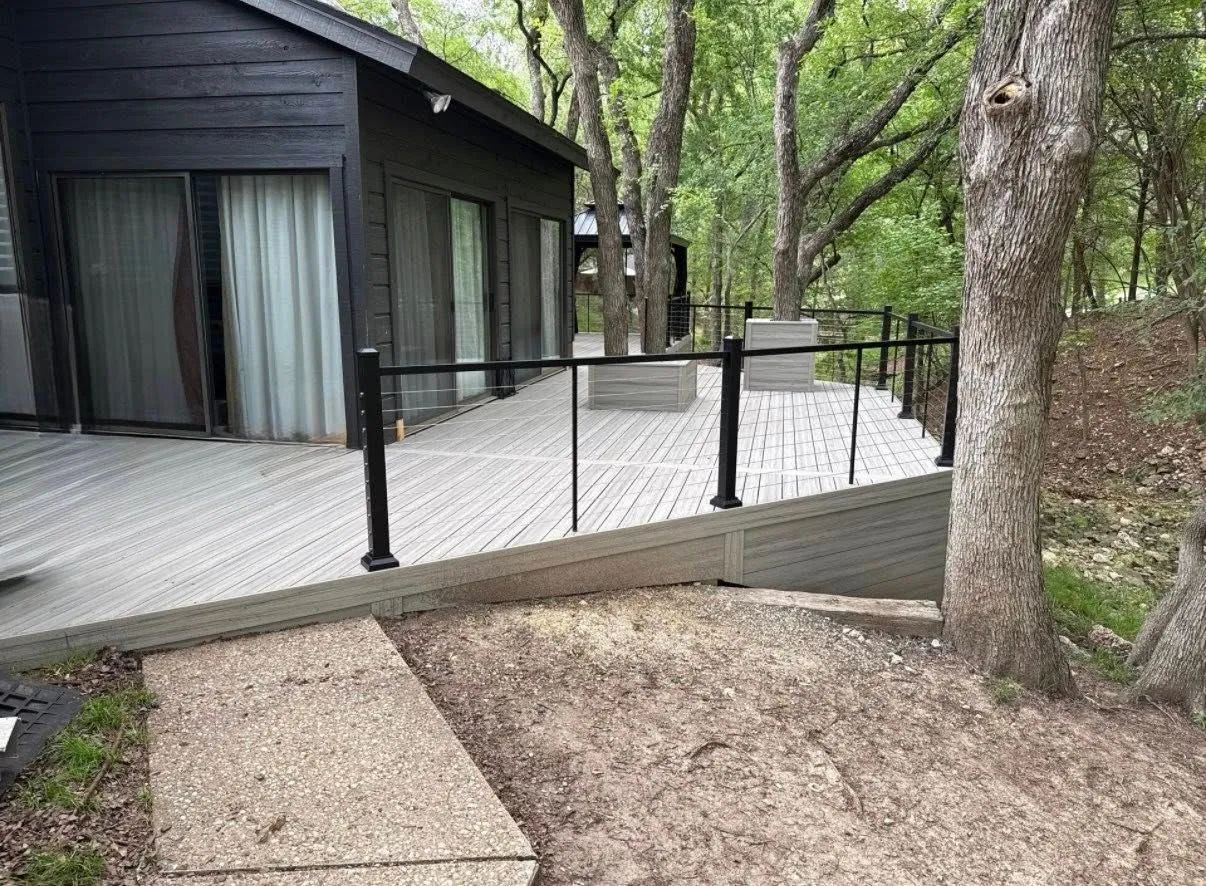
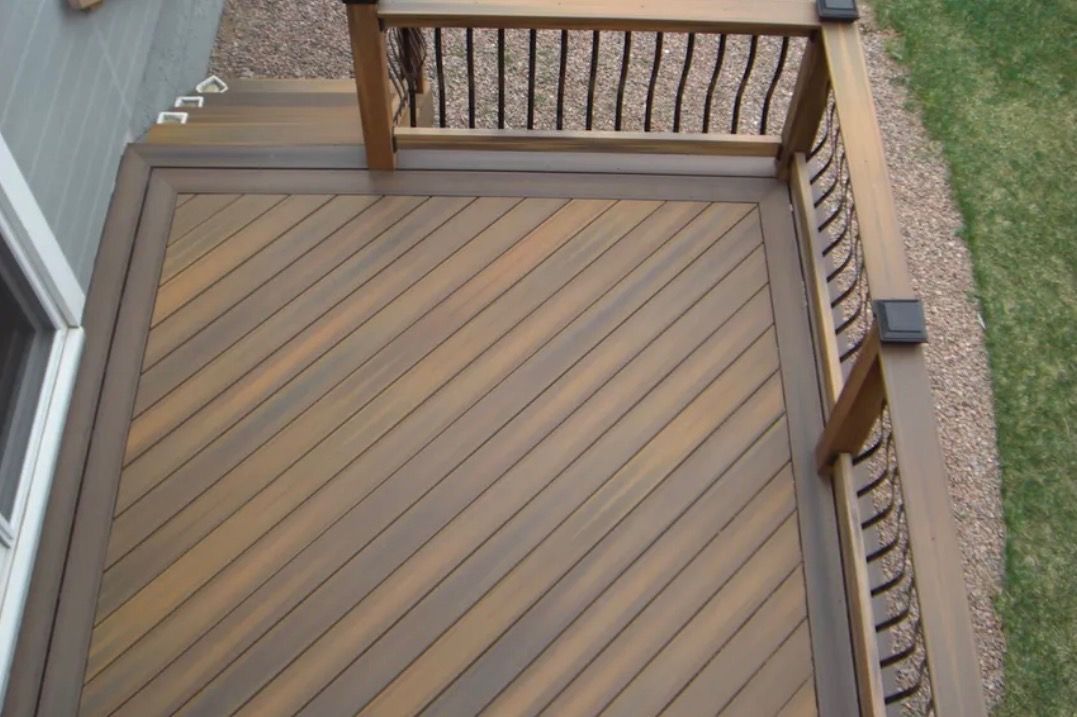
Composite resists fading, insects, and moisture and holds its finish with a simple cleaning routine. It is a strong match for decking, rails, and some framing elements, and it is something we work with daily.
Metal
Metal offers clean lines and strength, and it suits modern designs. Finishes should be chosen with sun and heat in mind, since dark metal surfaces can get hot to the touch.
Roofing
For pavilions and gazebos, the roof material affects both the look and the way the space feels. Lighter colors reflect more heat. Shingles can match the house. Metal roofing sheds rain quickly and suits the clean look many Texas homeowners want. Insulation or a ceiling finish underneath can make the space feel calmer in summer.
Lighting, Fans, and Utilities
Any of the three can host lighting, fans, and outlets, but they need to be planned before construction. Running wiring through a frame that is already finished is difficult and shows in the end result. Decide early whether you want a ceiling fan, downlights, string lights, heaters, speakers, or an outdoor kitchen with gas and water lines.
A pavilion is the natural home for a full outdoor kitchen, because the solid roof protects appliances and the cook. A pergola can shelter a simpler cooking area, but fire and framing need respectful distance, so the layout has to be thought through. Whatever you choose, plan the circuits and supports with the structure so the finished look stays clean.
Combining Structures and Planning Ahead
You do not always have to choose just one. Many of our favorite projects combine elements. A composite deck leads to a pergola over the dining area, with a solid roofed section over the kitchen. A pavilion sits off a patio while a small gazebo anchors the garden corner. A pergola can gain a partial cover over one side so the table stays dry while the rest remains open.
If you may expand later, say so up front. Footings, electrical runs, and layout can be planned so a future addition fits cleanly instead of fighting what is already built. Planning in phases is common, and a good design makes each phase look finished on its own.
A Simple Way to Decide
If you want a short decision path, try these questions.
Do you need to stay dry?
If rain protection is a must, lean toward a pavilion or a gazebo, or plan a pergola with a cover.
Do you want filtered light and an open feel?
A pergola is built for that.
Do you host crowds or want an outdoor kitchen?
A pavilion handles size and equipment best.
Do you want a quiet destination away from the house?
A gazebo suits that role.
Is the sun brutal on the side where you will sit? Go for denser shade, whether through closer rafters, screens, or a solid roof.
How much yard do you have?
Smaller lots favor a pergola. Bigger lots open the door to a pavilion or freestanding gazebo.
Most homeowners find that two or three of those answers point the same direction, and the choice becomes clear.
How a Custom Build Differs
You can buy a kit for any of these structures. For some situations that is a fair option. A custom build is designed around your house, your lot, and your plans. The proportions match your roofline. The posts land where they suit the yard. The roof pitch, overhang, and rafter spacing are chosen for the shade and weather you actually face. The footings are designed for the soil under your property.
We build collaboratively. We walk the yard with you, listen to how you want to use the space, and show you a plan before we build. You have a say in the details, from materials to lighting to how the structure meets the house. That approach keeps surprises out of the finished project.
Frequently Asked Questions
What is the main difference between a pergola, a pavilion, and a gazebo?
A pergola has an open slatted roof that filters sun. A pavilion has a solid roof over open sides. A gazebo is a freestanding roofed structure, often smaller and multi sided, used as a retreat.
Which one gives the most shade in Central Texas?
A pavilion or gazebo with a solid roof gives the most complete shade. A pergola can be tuned with closer rafters, shade fabric, or plants, but it will always let some light through.
Will a pergola keep me dry in the rain?
Not on its own. An open pergola lets rain through. You can add a retractable canopy, louvered cover, or panels, or choose a pavilion or gazebo with a solid roof.
Which structure is best for an outdoor kitchen?
A pavilion is usually the best fit because the solid roof shelters appliances, the cook, and guests. A pergola can cover a smaller cooking zone if the layout keeps safe distance.
Can I attach any of these to my house?
Pergolas and pavilions are commonly attached to the back of a home or built beside a patio. Gazebos are usually freestanding. The best choice depends on your house and lot.
Do these structures need special footings in clay soil?
Yes. Expansive clay swells and shrinks with moisture, so footings should be designed for it. Solid roofs add weight and catch more wind, so pavilions and gazebos need careful foundations.
Can I combine a pergola with a deck or a pavilion?
Yes. Many projects pair a composite deck with a pergola over part of the space, or place a pavilion beside a patio. Planning the pieces together keeps the design cohesive.
Choose the Structure That Fits Your Yard
Pergolas, pavilions, and gazebos each solve a different problem, and the right one depends on how your family actually lives outside. A pergola filters sun and keeps the space open, a pavilion shelters crowds and outdoor kitchens from sun and rain, and a gazebo offers a quiet destination at the edge of the lawn. Thinking about shade, rain, wind, lot size, and soil before choosing makes the decision clearer, and often the best answer combines more than one structure.
Diverse Trades Custom Construction and Remodeling
has spent 10+ years building outdoor structures in Georgetown, TX, and the surrounding Central Texas communities. Experience has shown us that footings, proportions, and planning for utilities matter as much as the look of the roof. A structure designed around your home, your soil, and your routines holds up season after season, and it becomes the place where your family naturally gathers when the weather turns warm.
Recent Posts