
Pergola Covers & Shade Solutions
Block Sun and Rain Without Closing In
Pergola Covers & Shade Solutions in Georgetown for outdoor spaces that overheat in afternoon sun
Diverse Trades Custom installs pergola covers and shade solutions for homeowners in Georgetown who want to use their outdoor space during the middle of the day without sitting in direct sun. You step outside in July and the pergola offers no relief from overhead heat, furniture gets too hot to sit on, and glare makes it uncomfortable to spend time under the structure. Shade coverage changes that by blocking UV rays and reducing surface temperature without enclosing the space like a roof.
This service includes retractable canopies, fixed fabric panels, climbing vines supported by wire or lattice, and adjustable awnings that slide or fold based on sun position. Covers are selected based on how much shade you need, whether you want adjustable control, and how the material handles wind and rain typical to the area.
Reach out to discuss shade options that fit your pergola size and how you use the space during different times of day.
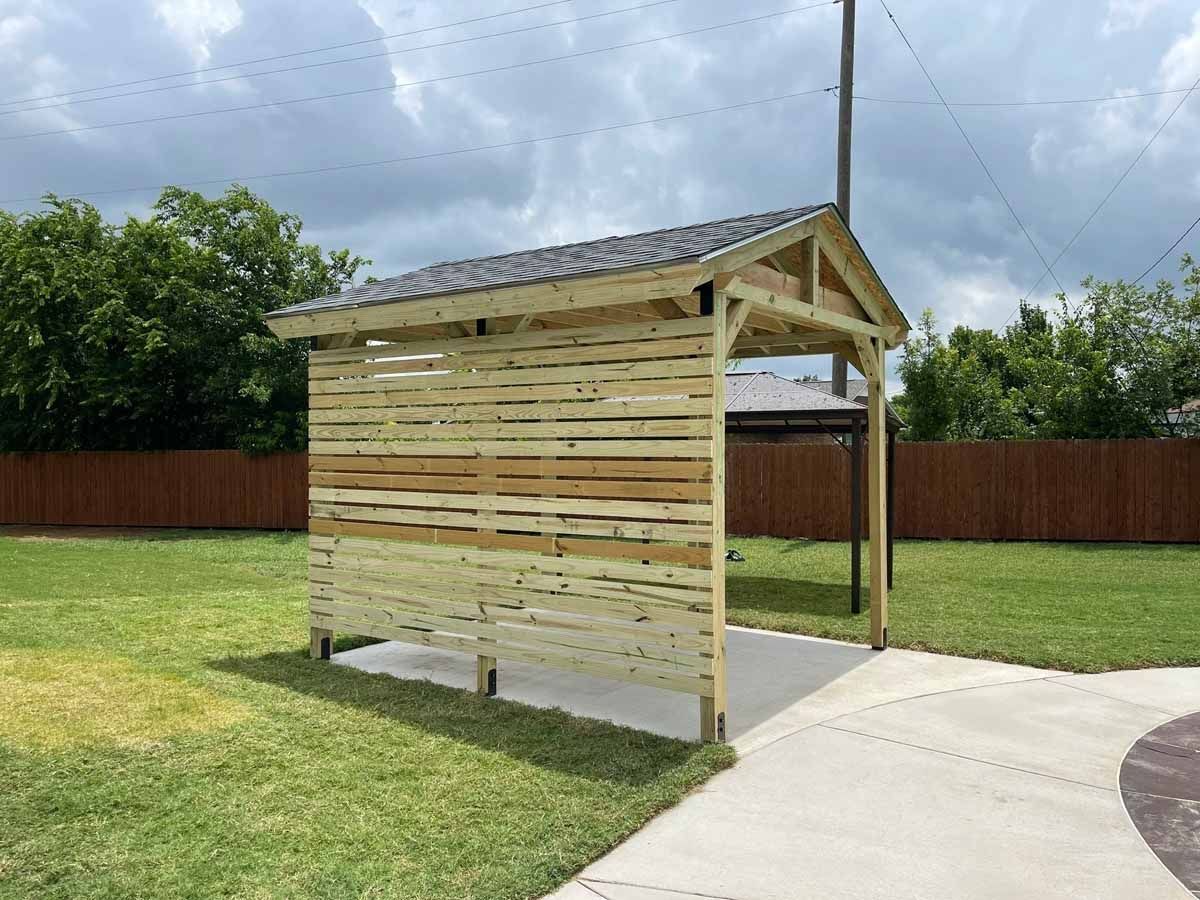
What Shade Systems Do and How They Install
Installation begins by measuring the pergola frame and identifying anchor points for fabric tracks, wire supports, or awning brackets. Diverse Trades Custom mounts retractable canopies on rails that allow you to pull the fabric across the pergola and lock it in place, or installs fixed panels that stay in position year-round. Vine supports use stainless steel cable tensioned between posts, and climbing plants like wisteria or grape are planted at the base to grow up and across the structure over time.
After installation, you see a noticeable temperature drop beneath the pergola, furniture stays cool enough to touch, and glare is reduced so you can read or eat outside comfortably. Retractable covers let you open the space when you want full sun, and fixed panels provide consistent shade without daily adjustment. Vines add greenery and natural cooling, though they take a season or two to fill in completely.
Fabric panels are made from UV-rated outdoor material that resists fading and mildew, and retractable systems include locking mechanisms to secure the canopy in wind. Vines require pruning to prevent overloading the pergola structure, and wire supports are tensioned to prevent sagging as plants grow. Awnings are angled to shed rain and mounted with brackets rated for wind load.
Questions About Pergola Shade and Cover Options
Homeowners in Georgetown often ask about material durability, maintenance, and which shade solution works best for their use and climate exposure.
What is the difference between retractable and fixed pergola covers?
Retractable covers slide or fold back when you want full sun, while fixed covers stay in place year-round. Retractable systems cost more but offer flexibility, and fixed panels require less maintenance.
How long does it take for vines to provide full shade?
Fast-growing vines like wisteria or trumpet vine cover a pergola in two to three growing seasons if planted in good soil and watered regularly. Slower vines like climbing roses take longer but require less pruning.
Why do fabric canopies sag after installation?
Fabric stretches slightly under tension and heat, causing slack over time. Retractable systems include tensioners that can be adjusted to pull the material taut again.
When should pergola covers be removed for the season?
Retractable fabric canopies should be stored during winter if they are not rated for snow load. Fixed covers and awnings designed for year-round use can stay in place but should be inspected for damage after storms.
How do awnings attach to a pergola frame?
Awnings mount to the top beams with galvanized or stainless steel brackets and extend outward to provide angled shade. They are secured with lag bolts drilled into solid wood, not just surface-mounted.
If your pergola does not provide enough shade during the day, contact Diverse Trades Custom to review cover and shade options that reduce heat and glare without enclosing the structure.